Why Checking Your Insurance Agent’s License Matters More Than You Think
You’re looking for insurance in California. Maybe it’s for your home in Ventura County, your car for the daily commute through the Valley, or your business in the Inland Empire. You find an agent, they seem nice, they offer a quote. You feel good about it. But did you ever stop to think about whether that person is actually licensed to sell you insurance?
Honestly, most people don’t. It’s not something you typically lose sleep over. We assume everyone operating in a professional capacity is, well, professional. And licensed. But here’s the thing: California’s insurance market is a beast right now. Premiums jumped 40% between 2022 and 2024 for many homeowners. Companies like State Farm and Farmers have pulled back on new policies. It’s a tough environment. This makes working with the right, *licensed* expert more important than ever.
The Real Reason to Verify: Your Protection
Imagine buying a policy, paying premiums, and then when disaster strikes – a wildfire near Lake Tahoe, a fender bender on the 405 – your claim gets denied. Or worse, you find out the policy you bought isn’t even real. This isn’t just a scary story. It happens. Unlicensed individuals can sell fake policies, misrepresent coverage, or simply disappear with your money.
For most California homeowners, renters, or business owners, insurance is a major financial safeguard. You’re trusting someone with your future. You’re trusting them with protecting your biggest assets. So, doesn’t it make sense to take a few minutes to confirm they’re legitimate? It’s like checking a contractor’s license before they start tearing down your kitchen wall. You just do it.

How to Check a California Insurance License
The good news? Verifying an insurance agent’s license in California is remarkably easy. The California Department of Insurance (CDI) runs a public database. It’s online, it’s free, and it’s pretty straightforward.
Here’s how you do it:
1. **Head to the CDI website.** You’ll look for their “License Search” tool.
2. **Enter the agent’s name or license number.** If you have their license number – it’s usually on their business card, website, or email signature – that’s the fastest way. If not, their full name works.
3. **Hit “Search.”** The system will pull up their information.
It really is that simple. A few clicks, and you’ve got the facts.
What You’ll Find on the CDI License Search
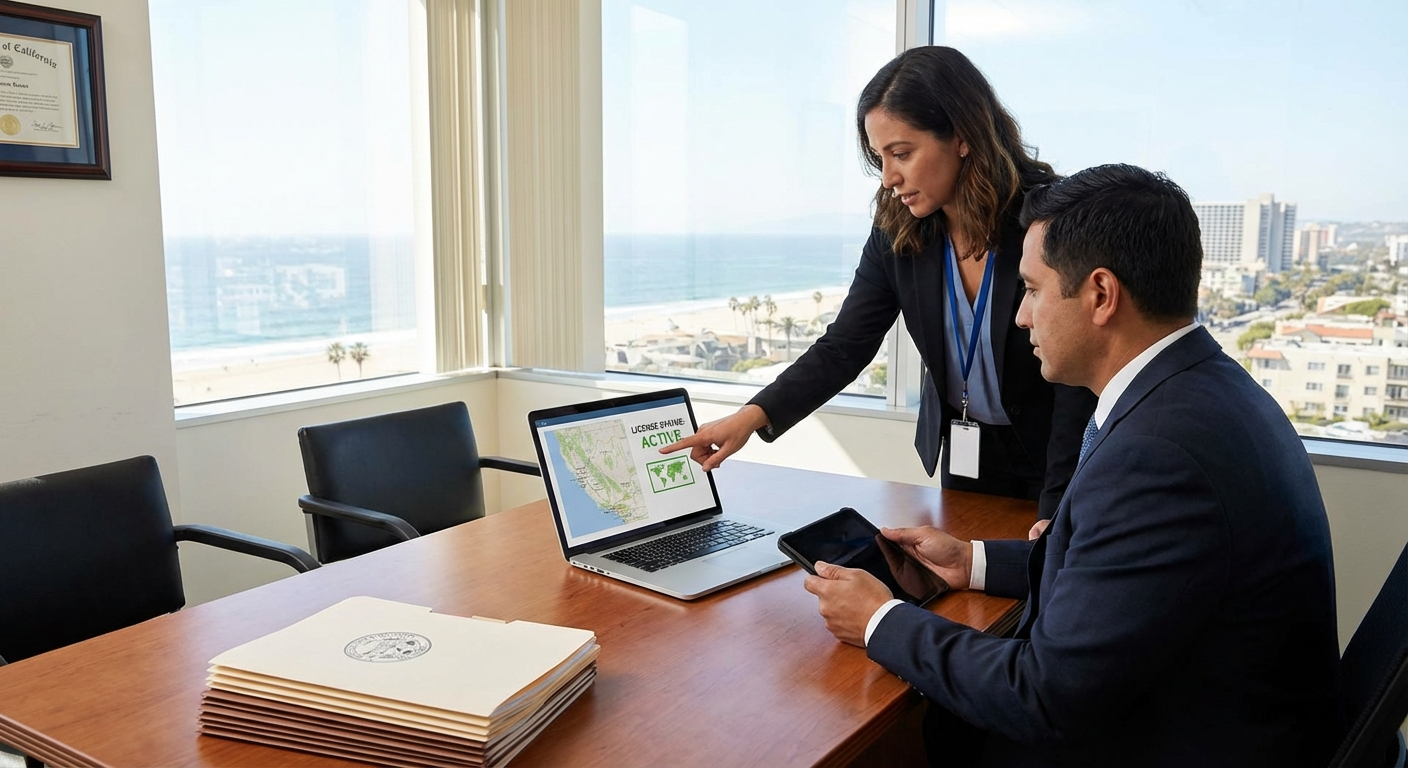
Once you punch in the details, you’ll see a profile for that agent or agency. What should you be looking for?
* **License Status:** Is it “Active”? That’s what you want. If it says “Inactive,” “Revoked,” “Suspended,” or “Expired,” that’s a huge red flag. An agent with an inactive license can’t legally sell you insurance.
* **License Type:** Does it match the kind of insurance they’re selling? For example, someone selling home insurance needs a “Property & Casualty” license. Life insurance requires a “Life” license. Some agents hold multiple licenses, which is common.
* **Effective and Expiration Dates:** Make sure the license is current and hasn’t expired.
* **Disciplinary Actions:** This is a big one. The CDI will list any public disciplinary actions taken against the agent. This could be for things like fraud, misrepresentation, or other violations. If you see a long list of disciplinary actions, you might want to consider finding another agent.
Think of it as their professional report card. You want to see a clean sheet and an active status.
Agent, Broker, or Producer? Does it Matter for Verification?
You might hear different terms: agent, broker, producer. For the purpose of license verification, it doesn’t change much. All individuals and entities selling insurance in California must be licensed by the CDI.
An “agent” typically represents one or a few insurance companies. A “broker” often works with multiple companies, shopping around for you. A “producer” is a more general term that covers both. The key is that no matter what they call themselves, they need that active California insurance license.
Why a Licensed Agent is Your Best Ally in Today’s Market
California’s insurance market has been a rollercoaster. Wildfires in the Santa Cruz Mountains, mudslides in Malibu – these events have made insurers rethink their exposure. We’ve seen major carriers pull back, non-renew policies, and significantly raise rates. The FAIR Plan, California’s insurer of last resort, has become a much bigger player.
Finding good, affordable coverage isn’t as simple as it once was. You need someone who understands the nuances, who knows which carriers are still writing policies in your area, and who can explain complex coverage options. A licensed agent isn’t just a salesperson; they’re a guide. They have to pass exams, complete continuing education, and operate under strict ethical guidelines. That’s why someone like Karl Susman of California Insurance Quote Pros, with his CA License #OB75129, isn’t just selling policies; he’s bringing expertise and accountability to the table.
Working with a licensed professional means you’re getting advice from someone held to a standard. Someone who can explain why your premiums might have gone up, or what your options are if your current insurer drops you. They can help you compare quotes from different carriers, something an unlicensed person simply can’t do effectively or legally.
If you’re feeling overwhelmed by the insurance market, or just want to make sure you’re getting the right coverage from a trusted source, don’t hesitate to reach out to a licensed professional. They’re there to help you make sense of it all.
Ready to see what a licensed expert can do for your insurance needs? Get a quote today.
The Trust Factor
Ultimately, verifying an insurance license comes down to trust. You’re trusting this person with your financial security. You’re trusting them to give you accurate information and to place you with a reputable company. Taking a moment to check their license isn’t being cynical; it’s being smart. It’s protecting yourself against potential fraud and ensuring you’re working with a qualified professional.
It’s a small step that offers a huge amount of peace of mind. In a state like California, where insurance can feel like a moving target, that peace of mind is invaluable.
Need help navigating your insurance options with a licensed professional? Start here for a personalized quote.
Frequently Asked Questions About California Insurance Licenses
Can I buy insurance from an agent who isn’t licensed in California if I live here?
No. If you live in California and need insurance for risks located within California (like your home or car here), the agent and the insurance company must both be licensed to operate in this state. Buying from an out-of-state or unlicensed agent for California risks can lead to serious problems if you ever need to file a claim.
What should I do if I find out my agent isn’t licensed?
Immediately stop doing business with them. Do not send them any money or sign any documents. You should report them to the California Department of Insurance (CDI). The CDI has a consumer complaint process that can investigate unlicensed activity.
Does an insurance company also need to be licensed?
Yes, absolutely. Just like an agent, the insurance company itself must be licensed by the California Department of Insurance to sell policies in the state. You can also verify an insurance company’s license status on the CDI website. Always check both.
What if an agent’s license status says “pending”?
A “pending” status means their application is still being processed. An agent cannot legally sell or solicit insurance business while their license is pending. You should wait until their license shows “Active” before proceeding with any transactions.
Is there a difference between a license and a certification?
Yes, a big difference. A “license” is required by the state to legally sell insurance. A “certification” might be an extra qualification an agent has earned (like for specific types of policies or advanced knowledge), but it doesn’t replace the mandatory state license. Always prioritize checking for an active license.
This article is for informational purposes only and does not constitute financial advice.