California’s Tricky Insurance Picture
Living in California is a dream for so many. Sunshine, beaches, mountains — we truly have it all. But that dream can come with a few nightmares, especially when it comes to keeping your home and car properly insured. It’s not just about having coverage; it’s about understanding what your policy actually covers, and more importantly, what it doesn’t. Because here in the Golden State, there are some pretty big holes in standard insurance policies that can leave you holding a very expensive bag.
Honestly, you might think you’re totally covered. You pay your premiums, you’ve got a policy in hand. Good to go, right? Not always. California’s unique challenges — wildfires, earthquakes, and even just the sheer cost of living — have created a situation where many policies simply don’t stretch far enough. You’d be surprised how many folks only find this out after disaster strikes. It’s a tough lesson to learn.
When Your Homeowner’s Policy Falls Short
Let’s talk about your home, probably your biggest asset. For most California homeowners, the biggest worries center around natural disasters. And for good reason. We’ve seen firsthand the devastation they can cause, from the fires tearing through Ventura County to the earth shaking the Inland Empire.
The Wildfire Blind Spot
Wildfires aren’t just a threat; they’re a fact of life for many Californians. Places like Paradise or the areas hit by the 2025 LA fires show us just how quickly everything can change. You’d think your standard homeowner’s policy would cover fire, and yes, it usually does. But here’s where it gets interesting: many insurers, like State Farm and Allstate, have either stopped writing new policies in high-risk areas or are non-renewing existing ones. This leaves homeowners scrambling.
When you can’t get traditional coverage, you often turn to the California FAIR Plan. It’s designed as a “last resort” for properties that can’t find insurance elsewhere. The FAIR Plan is a lifesaver for some, no doubt. But it comes with limits. For one, it’s a basic fire policy – it won’t cover things like liability, theft, or even water damage from a burst pipe. You’ll need to buy a separate “Difference In Conditions” (DIC) policy to fill those gaps. That’s an extra step, an extra premium, and another layer of complexity many people don’t realize they need until it’s too late.
And then there are the deductibles. Even if you have wildfire coverage, your deductible might be a percentage of your home’s value, not a flat dollar amount. Imagine a 5% deductible on a $700,000 home. That’s $35,000 out of your pocket before your policy even kicks in. Big difference.
Earthquakes: The Shaky Exclusion
We live on shaky ground. Literally. California has earthquakes. A lot of them. Yet, standard homeowner’s insurance policies almost never cover earthquake damage. It’s a separate policy you have to buy, usually from the California Earthquake Authority (CEA) or a private insurer.
Many folks skip this. Maybe they think the chance is low, or the premium is too high. But a decent shake could mean cracked foundations, damaged walls, or worse. And just like wildfire, earthquake policies often come with high deductibles, sometimes 10% or even 15% of your dwelling coverage. That’s a huge amount to pay out-of-pocket if your home needs major repairs after a quake.
The Forgotten Flood
When you think “natural disaster” in California, floods might not be the first thing that comes to mind unless you live right by a river or the coast. But here’s the thing: floods can happen anywhere. Heavy rains can overwhelm drainage systems, causing flash floods in unexpected places – even the Valley. Your standard homeowner’s policy won’t cover flood damage. Not a drop. You need a separate flood insurance policy, usually through the National Flood Insurance Program (NFIP).
Most people don’t think about flood insurance until it’s too late. They assume their regular policy has them covered for water damage. It might for a burst pipe, but not for rising water from outside. That’s a very different animal in the insurance world.
Underinsurance: Rebuilding Costs Soar
Even if you have coverage for fire, earthquake, and flood, there’s another silent gap: underinsurance. Construction costs in California have skyrocketed. Premiums jumped 40% between 2022 and 2024 for many homeowners. If your policy limits haven’t kept pace, you could be in trouble. Say your home was insured for $500,000 five years ago. Today, rebuilding that same home might cost $750,000. If a fire burns it down, your policy pays out $500,000, and you’re on the hook for the other $250,000. It’s a devastating scenario, and it happens more often than you’d think.

Auto Insurance: Are You Truly Protected on CA Roads?
Now, let’s switch gears to your car. California roads are busy, and accidents happen. You’ve got auto insurance, so you’re good, right? Maybe. But California has some of the lowest minimum liability requirements in the country: $15,000 for injury to one person, $30,000 for injury to multiple people, and $5,000 for property damage (often written as 15/30/5). That’s not much protection.
Low Liability Limits: A Risky Bet
Imagine you cause an accident. You hit a new Mercedes or a Tesla, and the driver gets whiplash. The repair bill for that luxury car alone could easily exceed $5,000. Medical bills for even minor injuries can quickly climb past $15,000. If your minimum policy limits are all you have, you’ll be personally responsible for everything over those amounts. Your savings, your assets — they could all be on the line. Most financial advisors suggest much higher limits, like 100/300/50 or even 250/500/100, especially if you have assets to protect.
The Unseen Danger: Uninsured/Underinsured Motorists
California has a lot of drivers without insurance, or with those low minimums. What if one of them hits you? Your medical bills and car repairs are still on you. This is where Uninsured/Underinsured Motorist (UM/UIM) coverage steps in. It protects you and your passengers if the at-fault driver doesn’t have enough insurance to cover your damages.
Many people decline UM/UIM to save a few bucks on their premium. Or they choose very low limits. That’s a gamble. If you’re seriously injured by an uninsured driver, you could be facing massive medical bills with no way to pay for them, even if you have good health insurance. It doesn’t cover lost wages or pain and suffering like UM/UIM can.
Rideshare Gaps: A Modern Dilemma
Are you driving for Uber or Lyft? Or maybe just thinking about it? This is a huge coverage gap for many. Your personal auto insurance policy almost certainly has an exclusion for commercial use. This means if you get into an accident while logged into the app, even if you haven’t picked up a passenger yet, your personal policy might deny your claim.
The rideshare companies do offer some coverage, but it often has high deductibles and only kicks in during certain phases of the ride. There’s a specific “gap” period when you’re logged in but haven’t accepted a ride yet. If you’re a rideshare driver, you absolutely need a specific rideshare endorsement on your personal policy or a commercial policy to cover you fully. Don’t skip this. It’s a disaster waiting to happen.
Beyond Home and Auto: Don’t Forget the Umbrella
You might think your homeowner’s and auto policies cover all your liability risks. They probably cover a good chunk. But what if something truly catastrophic happens? A serious car accident where you’re at fault, or someone gets badly hurt on your property? Your standard policies have limits. Once those limits are reached, your personal assets are exposed.
This is where an umbrella policy shines. It provides an extra layer of liability coverage, typically starting at $1 million, that kicks in after your primary policies are exhausted. It’s surprisingly affordable for the peace of mind it offers. For a few hundred dollars a year, you could protect everything you’ve worked so hard for. Most people don’t realize how vulnerable they are until it’s too late.
Which brings up something most people miss: if you run a small business out of your California home, your homeowner’s policy won’t cover business equipment, inventory, or liability related to your business. A client slips on your porch while coming for a meeting? Your homeowner’s policy might deny the claim. You’ll need a separate business owner’s policy (BOP) or specific endorsements. Don’t assume your home policy has your side hustle covered.
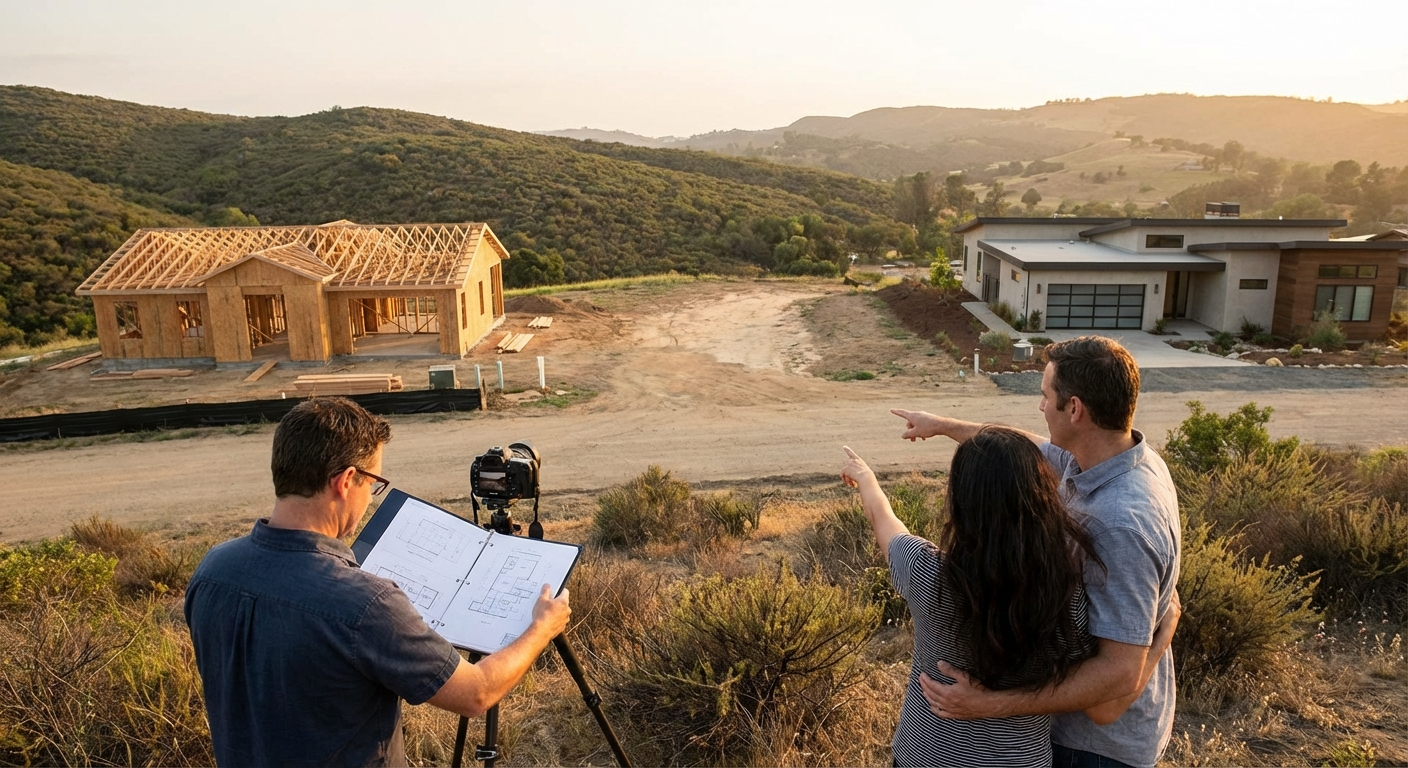
Why California’s Insurance Environment is So Challenging
Honestly, it feels like California is constantly in the news for its insurance woes.
Ready for Your Free Quote?
No obligation. Takes 2 minutes. Speak with Karl Susman and the team at California Insurance Quote Pros.
Karl Susman | California Insurance Quote Pros | CA License #OB75129 | Phone: (877) 411-5200
Disclaimer: This article is for informational purposes only and does not constitute financial advice.